Japan has approved iPS cell therapy (AMCHEPRY® & RiHEART®), so how to access this groundbreaking treatment? (2026 Edition)

iPSC Therapies

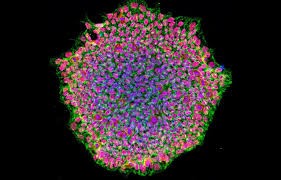
To the surprise of the scientific community, iPS Stem Cells have been approved as a form of therapy by the Japanese National Heatlh Insurance scheme (essentially Japan's medicare). Sumitomo Pharma, Racthera, and Cuorips were the three companies to have developed the new drugs Amcehpry & RiHeart which will be used as part of the procedures that was pioneered by the research team at Kyoto University Hospital.

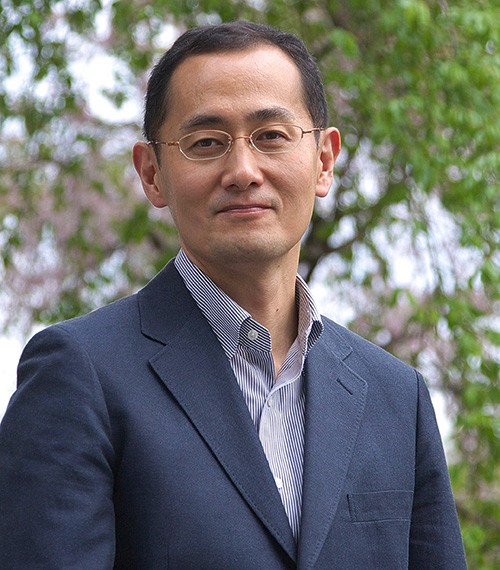
iPS Stem Cell Therapy has been a multi-decade piece of work, first discovered by Kyoto University Professor Yamanaka Shinya, who first published his work in 2006, and later won a Nobel Prize for the work in 2012.

The government has been supporting R&D since then.
To the surprise of the scientific community, iPS Stem Cells have been approved as a form of therapy by the Japanese National Heatlh Insurance scheme (essentially Japan's medicare). Sumitomo Pharma, Racthera, and Cuorips were the three companies to have developed the new drugs Amcehpry & RiHeart which will be used as part of the procedures that was pioneered by the research team at Kyoto University Hospital.

iPS Stem Cell Therapy has been a multi-decade piece of work, first discovered by Kyoto University Professor Yamanaka Shinya, who first published his work in 2006, and later won a Nobel Prize for the work in 2012.

The government has been supporting R&D since then.

  • https://www3.nhk.or.jp/nhkworld/en/news/backstories/4613/

  • https://www.nature.com/articles/s41587-026-03105-4

  • https://www3.nhk.or.jp/nhkworld/en/news/backstories/4613/

  • https://www.nature.com/articles/s41587-026-03105-4
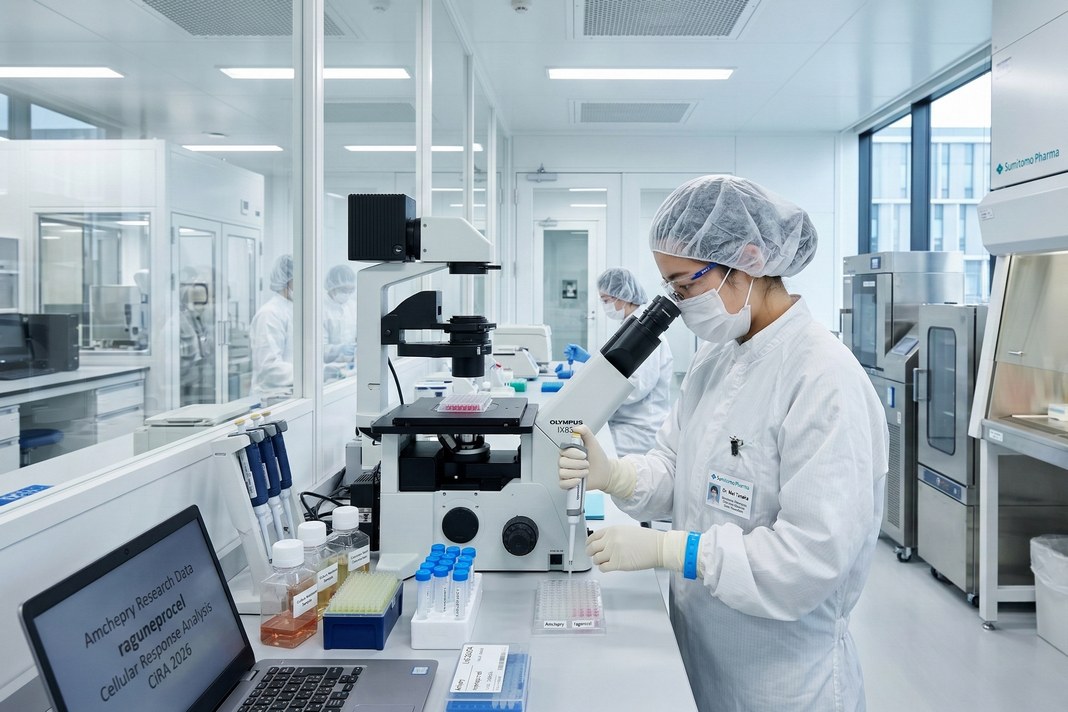
The Science behind iPSC-derived therapies

IPSC versus MsCs

Mesenchymal stem cells (MSCs) and induced pluripotent stem cells (iPSCs) are both types of stem cells, but they work very differently.

MSCs are naturally found in your body (like in fat or bone marrow) and mainly help with healing by reducing inflammation and supporting tissue repair—they don’t usually turn into new organs or complex tissues.

iPSCs, on the other hand, are regular adult cells that scientists “reset” back into a very early, flexible state, allowing them to become almost any type of cell in the body, like nerve or heart cells. This makes iPSCs much more powerful in theory, but also more complex, expensive, and riskier (for example, they can form tumors if not carefully controlled).

In simple terms, MSCs help your body heal better, while iPSCs have the potential to actually replace damaged parts—but are still mostly used in research and early-stage clinical trials today.

How does the Amchepry work?

Amchepry's procedure is fairly invasive, with the procedure requiring for two drills to be made in the skull before the drug and neuron-device is injected into the brain.

As a result of this procedure, patients are expected to stay within hospital for a month.

  • https://www.cell.com/cell/fulltext/S0092-8674(06)00976-7?_returnURL=https%3A%2F%2Flinkinghub.elsevier.com%2Fretrieve%2Fpii%2FS0092867406009767%3Fshowall%3Dtrue

  • https://cellgrandclinic.com/column_en/stem-cell-therapy-for-parkinsons-disease

  • https://www.nature.com/articles/s41586-025-08700-0

The Cost & Question: Is it commercialised too soon?

The procedure is both invasive and not cheap.

Amchepry at about 55.3 million yen ($350,600) before insurance coverage and ReHeart is expected to cost more than 10 million yen (about $63,500).

According to one of our medical experts - the expected cost of Amchepry and the surgery is about ¥180M ($1.12M USD), so the accessibility for international patients based on cost alone is limited.

Questions have also been raised about whether it's too early to commercialise, as the clinical trial for both I/II for iPS-cell therapy was for 7 patients only. Additionally, the conditional approval will prioritise domestic patients, meaning international patients will most likely need to wait till 2027.

"I support iPS-cell science, but I question premature commercialization with insufficient evidence," said Hiroshi Kawaguchi, an orthopedic surgeon at Nadogaya Hospital in Chiba in his interview with Nature.

Where Do We See This Going?

1. More research and further training will bring down the cost of treatment over the next 3 years.
2. The invasive nature of the procedure will mean it'll be difficult for patients to have recurring surgery - meaning this will be used as a last resort treatment.
3. Promising results in Adipose-derived stem cell therapy for Parkinsons disease may make it a cost-balanced solution as we wait to see what happens over the next 3 years.

Sources:

  • https://www.nature.com/articles/s41586-025-08700-0

Your trusted partner in global healthcare and medical tourism

01

How Do I Book A Clinic?

02

What if I’m not sure which clinic to choose?

03

Does it cost more to book through The Medical Agency?

04

Is it normal to be asked for things like passport copies?

05

Do I pay you or the clinic directly?

06

What happens if I change my mind — is there a cancellation fee?

FAQ.

How Do I Book A Clinic?

What if I’m not sure which clinic to choose?

Does it cost more to book through The Medical Agency?

Is it normal to be asked for things like passport copies?

Do I pay you or the clinic directly?

What happens if I change my mind — is there a cancellation fee?

FAQ.

How Do I Book A Clinic?

What if I’m not sure which clinic to choose?

Does it cost more to book through The Medical Agency?

Is it normal to be asked for things like passport copies?

Do I pay you or the clinic directly?

What happens if I change my mind — is there a cancellation fee?

Book with us now!

Need to reach a real person? Contact our customer care, PR, or brand partnership team.